
In the real estate hierarchy, a licensed real estate broker sits above a real estate agent. Brokers complete more education, pass additional exams, and carry legal authority to supervise agents and operate independent brokerages. Beyond that, several other professionals, such as managing brokers, attorneys, lenders, and appraisers, can influence deals and decisions far beyond what a typical agent can handle.
But “higher” doesn’t always mean “better.” Sometimes, influence comes from experience, connections, or expertise. For example, a seasoned team leader or a trusted local brand like the Aida Younis Team in Lakebend At Sugar Creek can hold more practical power than a newly licensed broker.
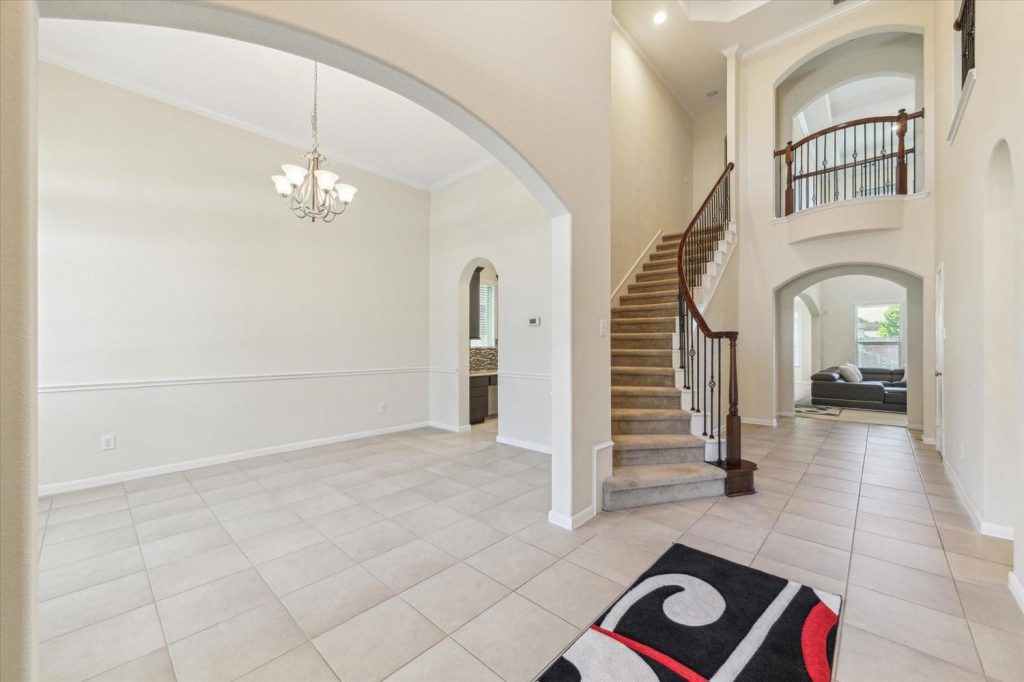
Understanding the Real Estate Ecosystem
Real estate isn’t just about showing homes or writing contracts. It’s an ecosystem built on collaboration and specialized roles. Every player contributes a unique skill set to complete one big transaction, the sale or purchase of a property.
Think of the process as a relay race. The real estate agent starts strong by finding listings, arranging showings, and negotiating offers. The broker ensures all actions comply with state law. Lenders supply the funds, inspectors assess property conditions, and attorneys confirm that contracts hold up legally. Together, they keep the deal moving forward smoothly.
Agent vs. Broker: Licensing and Responsibilities
A real estate agent must work under a licensed broker. Agents help clients buy, sell, or rent properties, but they can’t manage trust accounts or open a brokerage. They earn commissions through transactions and often rely on the broker for mentorship, compliance, and branding.
A broker, on the other hand, has more authority. After gaining years of experience and passing a state exam, they can open their own firm, manage agents, and ensure every deal follows regulations. They are accountable to state real estate commissions and can face penalties if their agents break the rules.
Simply put: agents focus on clients; brokers focus on both clients and compliance.
Managing Broker and Broker-Owner: The Leaders of the Pack
A managing broker or broker-owner oversees everything, from hiring agents to approving deals. They act like the principal of a school, setting policies, enforcing ethics, and shaping company culture.
They also carry the ultimate legal responsibility. If an agent under their license mishandles paperwork or funds, the managing broker must step in to resolve the issue. This level of accountability puts them squarely above a standard agent in authority and experience.
Roles with Formal Authority Above Agents
When discussing hierarchy, a few titles stand above agents by law. They hold the licenses, authority, and responsibility that agents rely on.
State Real Estate Commission and Regulators
These are the rule makers. Every state has a real estate commission that issues licenses, sets education standards, and disciplines agents or brokers who break the law. They ensure ethical conduct, protect consumer rights, and maintain fair market practices.
If an agent acts dishonestly or misrepresents a property, it’s the state commission that has the power to suspend or revoke their license.
Real Estate Broker
The broker is the middle ground between the agent and the regulators. They bridge legal oversight and client service. Brokers must review contracts, ensure escrow funds are handled properly, and verify compliance with all laws.
For many agents, the broker acts as a mentor and legal safety net. Every transaction they close ultimately falls under the broker’s license, making the broker legally responsible for outcomes.
Managing Broker / Broker-Owner
These individuals run the entire brokerage operation. They make business decisions, set commission splits, and ensure agents maintain professional standards. Many successful agents aspire to this level because it offers control over income, branding, and strategy.
Being a managing broker requires more than a license, it demands leadership, financial management, and an understanding of both marketing and compliance.
Professionals with More Influence Than a Typical Agent
While brokers have legal authority, other professionals often hold real-world power in shaping the outcome of a deal.
Top-Producing Team Leaders and Rainmaker Agents
A team leader is an agent who leads a group of other agents and administrative staff. They manage listings, set sales goals, and generate leads for their team. In many markets, they wield enormous influence.
For instance, the Aida Younis Team in Lakebend At Sugar Creek dominates local transactions through market knowledge, negotiation experience, and client trust. Their track record gives them more sway with buyers, sellers, and even other brokers. A well-known team can control local market momentum simply by holding multiple high-profile listings.
Real Estate Developers and Investors
Developers and large investors often rank higher in financial influence. They decide where to build, how to price, and what type of housing hits the market. A single developer’s decision can reshape a neighborhood’s property values overnight.
Agents may market the properties, but developers create the opportunities that fuel those markets in the first place.
Mortgage Lenders and Loan Officers
Without financing, most real estate deals wouldn’t happen. Mortgage lenders determine who qualifies for loans, how much they can borrow, and under what terms. Loan officers coordinate directly with underwriters to push approvals.
If an agent secures a great offer but the loan falls through, the sale dies. That makes lenders one of the most powerful behind-the-scenes players in real estate.
Real Estate Attorneys and Title Companies
When legal complications arise, real estate attorneys take control. They handle title disputes, contract issues, and closing documents. Title companies confirm ownership and ensure properties are free of liens.
If there’s an ownership issue or legal gray area, the attorney’s word outweighs anyone else’s, even the broker’s.
Specialists Who Command Authority in Transactions
Beyond brokers and lenders, specialized experts often determine whether a deal succeeds or fails.
Appraisers
Appraisers provide unbiased valuations of properties. Lenders depend on their reports to determine loan amounts. If an appraisal comes in lower than the agreed price, buyers and sellers must renegotiate.
In essence, appraisers set the limit on how much money can flow into a deal. Even an experienced agent can’t override a certified appraisal, that’s how much authority appraisers have.
Inspectors and Engineers
Home inspectors uncover defects that could cost thousands in repairs, while structural engineers diagnose serious foundation or construction issues. Their findings directly affect whether a buyer proceeds or demands repairs.
Agents might market the dream; inspectors reveal the reality. Deals can collapse based on their reports alone.
When “Higher” Means Expertise, Not Title
Authority doesn’t always come from a license. In many cases, expertise and reputation make someone “higher” in the practical sense.
Certifications and Designations That Raise Status
Agents who earn certifications such as CRS (Certified Residential Specialist), GRI (Graduate, REALTOR® Institute), or CCIM (Certified Commercial Investment Member) prove deeper knowledge and professionalism.
These designations elevate an agent’s credibility, often leading to higher-value clients and more complex deals. A certified agent might not outrank a broker legally, but they can certainly outperform one in skill and results.
Niche Experts: Luxury, Commercial, and Land Use
Some agents build expertise in a specific niche, luxury homes, commercial properties, or land development. Their understanding of market dynamics, zoning, and buyer behavior gives them authority that general agents lack.
For example, a luxury agent managing high-end estates in Lakebend At Sugar Creek knows the unspoken rules of privacy, marketing, and negotiation that don’t apply to standard residential sales.
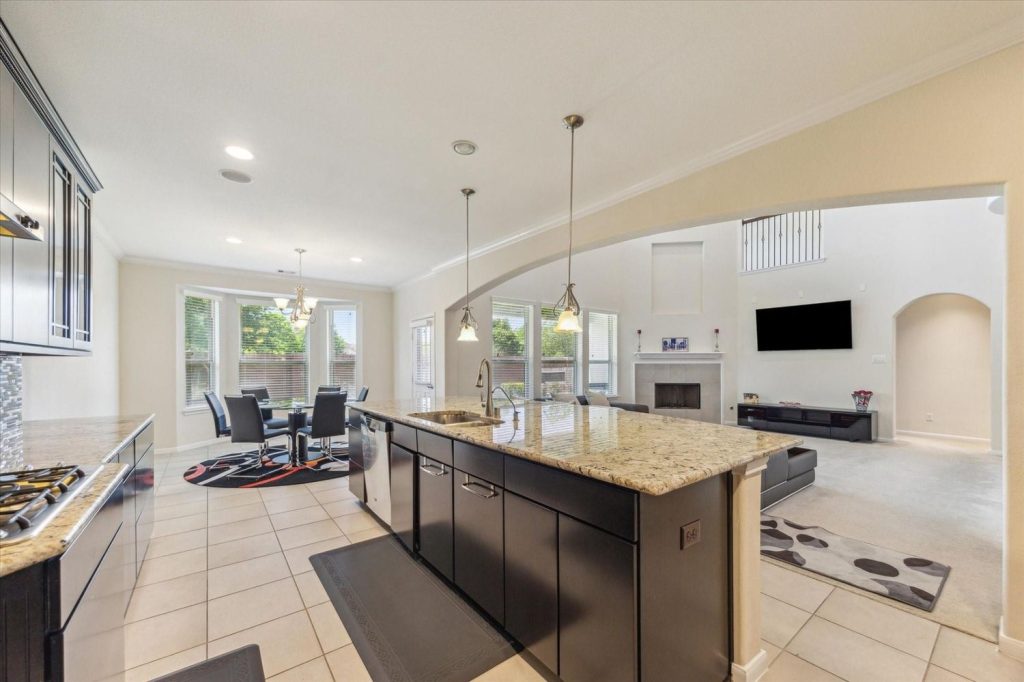
Aida Younis Team: Leading Locally at Lakebend At Sugar Creek
In Lakebend At Sugar Creek, few names hold more trust than the Aida Younis Team. With years of market experience, this team bridges the gap between local insight and professional authority.
They don’t just help clients buy or sell homes, they advise on property value, investment timing, and negotiation strategies that protect long-term wealth. Their combination of broker-level supervision and personalized client care gives them a “higher” position in both reputation and performance.
If you want proven leadership in your corner, a team like Aida Younis’ offers more than real estate services, they deliver strategy, trust, and success.
How to Decide Who You Need on Your Side
Real estate isn’t a solo sport. Depending on your situation, you might need more than an agent.
- Buying a home? You’ll need a lender, inspector, and attorney.
- Selling a home? You’ll rely on marketing pros, a title company, and possibly a tax advisor.
- Investing in property? You’ll want brokers, contractors, and local consultants to ensure compliance and profitability.
The best results come from building a strong team, and the agent often acts as your quarterback.
How Agents Can Climb the Ladder
Ambitious agents can move up by earning licenses, building teams, or expanding into management. Here’s how:
Steps to Become a Broker
- Gain required real estate experience (usually 2–3 years).
- Complete additional coursework in law, finance, and ethics.
- Pass the state broker’s exam.
- Apply for a brokerage license.
- Open your firm and manage other agents.
This path requires time and discipline but opens doors to higher earnings and leadership roles.
Building a Team and a Brand
Successful real estate pros don’t stay solo forever. They build teams, transaction coordinators, showing assistants, marketing staff, and create a recognizable brand.
A strong brand like Aida Younis Team thrives on trust and consistent results. When people recognize your name as a symbol of reliability, you rise naturally above other agents.
Practical Checklist: Who to Call When Complications Arise
- Title Issues: Title company and attorney
- Low Appraisal: Broker, lender, or appraiser
- Financing Problems: Mortgage officer or cash investor
- Inspection Problems: Structural engineer or contractor
- Dispute During Closing: Managing broker and legal counsel
Having these contacts ready can save weeks of delay and thousands of dollars in missed opportunities.
Aida Younis Team Serving the Lakebend At Sugar Creek Community and Beyond in Sugar Land
Aida Younis Team is dedicated to serving the diverse needs of the local community of Sugar Land, including individuals residing in neighborhoods like Lakebend At Sugar Creek. With its convenient location near landmarks such as the Joshua Church and major intersections like U.S. 59 Frontage Rd. and Parkway Blvd (coordinates: 29.609336700000004, -95.6101187), we offer licensed real estate agent Sugar Land services.
Get Licensed Real Estate Agent Services at Lakebend At Sugar Creek Now
Navigate from Lakebend At Sugar Creek to Aida Younis Team Now
Defining the True Peak of Real Estate Expertise
In the end, “what’s higher than a real estate agent” depends on perspective. Legally, brokers sit at the top. Practically, professionals like attorneys, appraisers, and seasoned teams often control the most influence.
For clients in Lakebend At Sugar Creek, the Aida Younis Team represents that next level, combining the expertise of agents, brokers, and advisors in one powerhouse team. Their results speak louder than titles, proving that the real hierarchy in real estate is built on trust, experience, and performance.
FAQs
1. Who has more authority, an agent or a broker?
A broker does. They oversee agents, review contracts, and hold the legal responsibility for transactions.
2. Can an agent work independently?
No. Agents must work under a licensed broker unless they upgrade their license.
3. How do I choose the right professional for my property in Lakebend At Sugar Creek?
Start by consulting local experts like the Aida Younis Team. We can connect you with vetted lenders, inspectors, and attorneys who know the neighborhood inside out.
4. Why are teams like the Aida Younis Team so effective?
We combine local knowledge, broker-level oversight, and collaborative resources, which help clients close deals faster and safer.
5. Who can overrule an agent’s decision during a transaction?
A broker or the state real estate commission can override an agent if they violate policy or law.