
The Four Categories at a Glance
Real estate isn’t just about houses for sale on your favorite property site. It’s an entire universe broken into four clear categories: Residential, Commercial, Industrial, and Land. Each category serves a unique purpose, attracts different buyers or investors, and carries its own opportunities and challenges.
Think of them like four branches on the same family tree. Residential properties give people a place to live. Commercial properties keep businesses running. Industrial properties handle the behind-the-scenes work like production and shipping. Land, meanwhile, provides the canvas where all these other categories are built.
For anyone living in or investing around The Lakes, understanding these categories isn’t just textbook knowledge, it’s practical insight. Each one plays a role in shaping neighborhoods, driving local economies, and creating wealth.
Category 1: Residential Real Estate
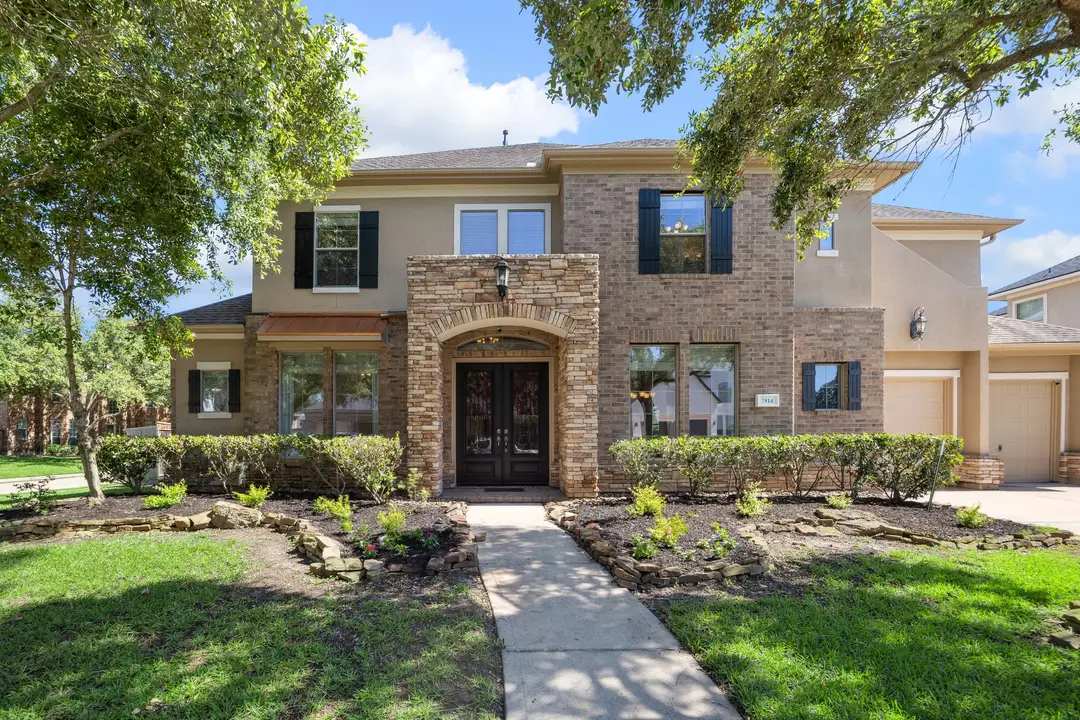
Residential real estate is the most relatable because it covers the places we call home. This category includes single-family houses, condominiums, duplexes, townhouses, and even large apartment complexes.
When you think residential, think lifestyle. A waterfront property in The Lakes, for example, isn’t just a building, it’s sunset views, outdoor activities, and proximity to schools and community amenities. That lifestyle element often drives demand and pricing.
Types of Residential Properties
Single-Family Homes: Stand-alone houses built for one household. They dominate suburban markets and usually come with yards.
Condos: Ideal for those who want amenities like pools or gyms without maintaining a yard. Shared ownership of common spaces reduces maintenance headaches.
Multi-Family Properties: Duplexes, triplexes, or larger complexes. These act like income-generating businesses, where rent from multiple tenants creates steady cash flow.
Who Buys and Who Rents in Residential Markets
Homebuyers tend to be families, first-time owners, and retirees, while renters are often younger professionals, students, or those prioritizing flexibility. Investors may purchase properties specifically to rent them out, banking on steady rental demand.
In The Lakes, families often buy for the schools and community feel, while renters look for condos near entertainment and retail hubs.
Key Metrics Residential Investors Watch
- Cap Rate: The property’s return rate.
- Gross Rent Multiplier (GRM): Quick estimate of value vs. rent income.
- Days on Market (DOM): Indicates how quickly homes sell.
- Vacancy Rate: Shows rental demand strength.
Category 2: Commercial Real Estate
Commercial real estate exists where business happens: office buildings, shopping centers, restaurants, and hotels. Unlike residential, which is often valued by comparable sales, commercial properties are typically judged by the income they produce.
Subtypes: Office, Retail, Hospitality
Office Buildings: From skyscrapers to suburban business parks, demand is shaped by employment trends and remote work culture.
Retail Properties: Stores, malls, and plazas. Location, foot traffic, and visibility can make or break these investments.
Hospitality: Hotels, motels, and resorts. These properties rely heavily on tourism and business travel.
In The Lakes, commercial hubs often include shopping plazas that cater to locals and visitors, where strong tenant mixes can boost both income and property value.
Lease Structures and What They Mean to Cash Flow
Commercial leases can be complex. The most common:
- Gross Leases: Tenant pays rent, landlord covers operating costs.
- Net Leases: Tenant pays rent plus some expenses.
- Triple-Net Leases (NNN): Tenant covers rent, taxes, insurance, and maintenance, making it nearly hands-off for landlords.
For investors, lease type dictates how steady and predictable income will be.
Category 3: Industrial Real Estate
Industrial real estate may not grab as much attention as homes or malls, but it’s the backbone of modern commerce. This category includes warehouses, distribution centers, and manufacturing plants.
Warehouses, Manufacturing, and Flex Space Explained
Warehouses: Essential for storage and distribution, especially in the age of e-commerce.
Manufacturing Facilities: Often custom-built, with infrastructure for production lines and heavy machinery.
Flex Space: Combines office with light industrial use, perfect for startups or smaller operations.
Industrial Demand Drivers: E-Commerce, Logistics, Automation
The rise of online shopping has skyrocketed demand for industrial real estate. Companies want fast delivery, which means more distribution hubs close to customers. Automation adds value to facilities designed with robotics and modern tech in mind.
For investors, industrial properties often deliver long-term stability because tenants sign multi-year leases, reducing turnover headaches.
Category 4: Land
Land is the blank slate of real estate. It may not generate rent immediately, but its potential can be huge.
Raw Land vs. Developmental Parcels vs. Infill Lots
Raw Land: Untouched property without utilities. Often speculative.
Developmental Parcels: Land prepped with roads and utilities, ready for construction.
Infill Lots: Small parcels within established neighborhoods. Developers love these because infrastructure already exists.
How Zoning and Entitlement Shape Land Value
Zoning laws decide what you can build, residential, commercial, or industrial. Entitlements, like building permits and approvals, increase land’s worth. In The Lakes, for instance, zoning near the waterfront can influence property values significantly, as land approved for residential or mixed-use developments often commands premium prices.
How Appraisers and Investors Value Different Categories
Residential: Sales comps rule; homes are compared to similar recent sales.
Commercial and Industrial: The income approach is king. Net Operating Income (NOI) divided by the cap rate gives property value.
Land: Location, zoning, and future development potential drive pricing.
Understanding these methods helps both buyers and sellers negotiate smartly.
Financing Across the Categories
Residential: Buyers often use FHA, VA, or conventional loans. Lenders emphasize credit score and debt-to-income ratio.
Commercial: Loans depend on property income. Banks want strong tenants and leases.
Industrial: Long-term leases attract institutional lenders.
Land: Riskier for banks, requires bigger down payments and higher interest.
For example, an investor buying a residential rental in The Lakes might secure a 30-year mortgage, while someone buying raw land nearby will likely need a shorter-term loan with more cash upfront.
Zoning, Regulation, and Legal Pitfalls
Before buying, always check zoning and legal restrictions. They determine what you can build and how you can use the property. Other potential pitfalls include easements, environmental rules, and HOA restrictions especially near lakeside communities where water rights and floodplain rules come into play.
Investment Strategies by Category
- Residential Buy-and-Hold: Own rentals for steady income.
- Fix-and-Flip: Renovate and sell quickly for profit.
- Value-Add Commercial: Upgrade property to increase rents and NOI.
- Triple-Net Investments: Secure long-term tenants who handle most expenses.
- Land Banking: Buy undeveloped land and hold until appreciation or rezoning.

Market Signals: How to Read Cycles by Category
Each real estate type reacts differently to market cycles:
- Residential: Reacts quickly to interest rates.
- Commercial: Depends on business health.
- Industrial: Follows trade and e-commerce growth.
- Land: Depends on long-term development trends.
In The Lakes, market cycles often reflect seasonal demand and community growth plans.
Managing Risk: Checklist for Buyers and Investors
- Inspect property thoroughly.
- Review zoning and HOA rules.
- Stress-test your finances for vacancies or downturns.
- Check environmental history, especially on land or industrial sites.
- Keep reserves for maintenance and taxes.
Aida Younis Team: Serving The Lakes
When it comes to navigating real estate in The Lakes, the Aida Younis Team stands out. We combine deep local knowledge with years of experience to help buyers, sellers, and investors. Whether you’re buying a family home, a rental property, or exploring commercial opportunities, our team provides tailored guidance. From analyzing comps to handling negotiations, we make sure clients move forward with confidence.
Practical Steps: How to Pick the Right Category for You
Ask yourself:
- Do I want lifestyle or pure investment?
- How hands-on do I want to be?
- What’s my timeline and risk tolerance?
Questions to Ask Before Buying in The Lakes or Elsewhere
- What’s the neighborhood’s growth outlook?
- Are there planned developments that could affect property value?
- Does the property face restrictions or HOA rules?
- What’s the local rental or occupancy rate?
Aida Younis Team Serving the The Lakes Community and Beyond in Sugar Land
Aida Younis Team is dedicated to serving the diverse needs of the local community of Sugar Land, including individuals residing in neighborhoods like The Lakes. With its convenient location near landmarks such as the Meadow Lake Park and major intersections like Great Oak Ln. & Gray Birch Dr. (coordinates: 29.59584527239671, -95.63080391708068), we offer licensed real estate broker Sugar Land services.
Get Licensed Real Estate Broker Services at The Lakes Now
Navigate from The Lakes to Aida Younis Team Now
Mastering Real Estate: Aligning Goals with the Right Category
The four categories of real estate give structure to an otherwise massive industry. They help buyers, sellers, and investors think clearly about opportunities and risks. Whether you’re eyeing a dream home by the water in The Lakes, a commercial plaza for steady income, or raw land for future development, knowing the differences puts you in control.
Real estate isn’t just about property, it’s about strategy, timing, and vision. With guidance from the Aida Younis Team, you can match your goals to the right category and take confident steps in the market.
FAQs
1. What’s the easiest type of real estate to start with?
Residential, especially single-family homes, is often easiest for beginners because financing is straightforward and demand is steady.
2. Can land generate income before development?
Yes, land can be leased for farming, billboard advertising, or even temporary parking, though income is usually lower than developed properties.
3. What makes industrial properties appealing to investors?
Long-term leases, lower tenant turnover, and strong demand driven by e-commerce make industrial properties stable and profitable.
4. What risks come with commercial real estate?
Risks include tenant default, long vacancies, and shifts in consumer habits. Strong lease agreements and location analysis help reduce these risks.
5. How can the Aida Younis Team help me in The Lakes?
We provide market insights, handle negotiations, and guide you through every step making sure you find the right property that matches your goals and budget.